

That confident, straight smile? It’s closer than you think. Clear aligners offer a modern, low-fuss way to get there—no brackets, no wires, no drama. These nearly invisible, removable trays are custom-made to gently guide your teeth into perfect alignment. If you’re considering or have recently started clear aligner treatment, you might be wondering what the journey entails. Here’s a detailed step-by-step guide to help you navigate your path to a straighter, healthier smile with ease.
First consultation & assessment
Your clear aligner journey starts with a comprehensive consultation with your dentist or orthodontist. This visit determines whether clear aligners are the right solution for your needs and sets the foundation for your treatment.

During this appointment, your dental professional will:
- Examine your teeth, gums, and jaw alignment to assess overall oral health and identify any issues that may affect treatment, such as cavities, gum disease, or misalignment severity.
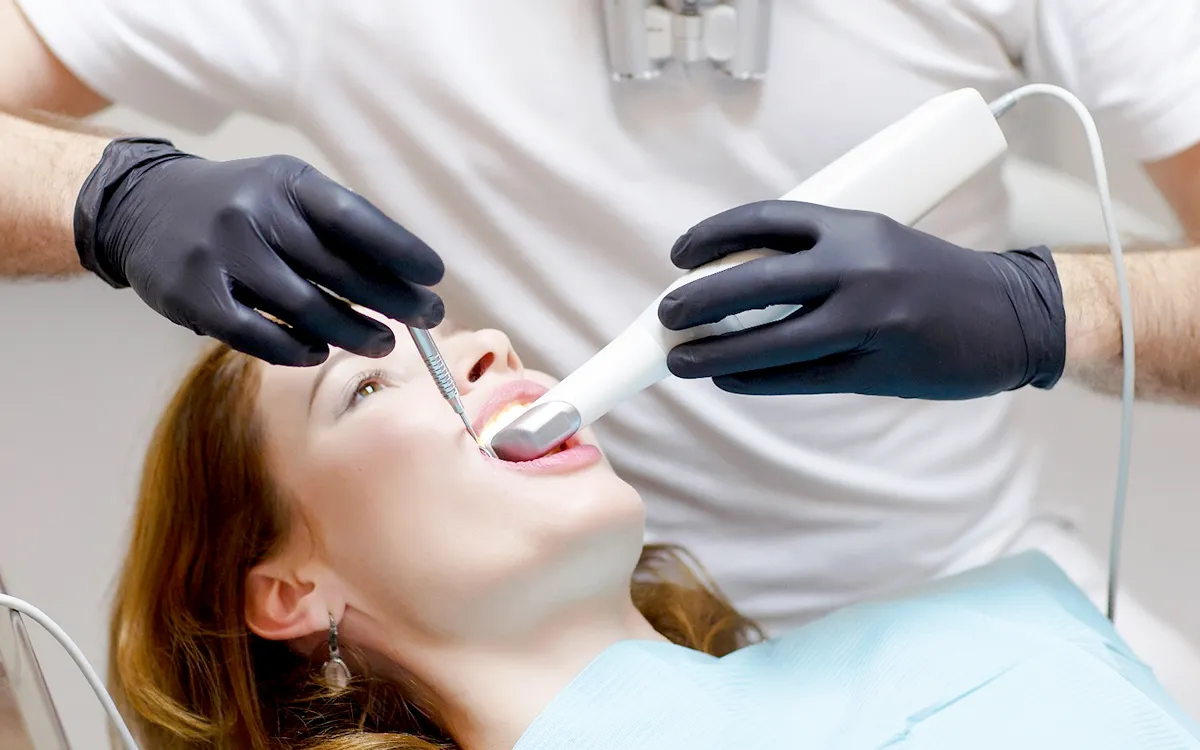
- Take digital scans, photographs, and X-rays to capture detailed images of your teeth and bite. These records help create a precise treatment plan.
- Discuss your smile goals and expectations to understand what you hope to achieve and address any concerns you may have.
- Evaluate your suitability for clear aligners based on the complexity of your case. Clear aligners are ideal for mild to moderate misalignment, but severe cases may require alternative treatments.
- Develop a customised treatment plan if you’re a good candidate. This includes a step-by-step projection of how your teeth will move and an estimated timeline for results.
Who can get clear aligners?
Clear aligners are an effective orthodontic solution for many people, but they work best for mild to moderate alignment issues. They are designed to gradually shift teeth into their ideal positions using a series of custom-made, removable trays.
- Crooked or misaligned teeth: Helps straighten teeth for a more uniform appearance.
- Gaps between teeth: Closes small to moderate spaces for better aesthetics and function.
- Overbite, underbite, crossbite, or open bite: Corrects mild to moderate bite issues to improve chewing and reduce strain on the jaw.
- Mild crowding: Creates space and aligns slightly overlapping or rotated teeth.
- Relapse after previous orthodontic treatment: Ideal for individuals who had braces in the past but experienced teeth shifting over time.
Clear aligners may not be suitable for individuals with:
- Severe misalignment or bite issues: Cases requiring significant jaw adjustments may need braces or additional orthodontic interventions.
- Extensive tooth rotation or extrusion needs: Clear aligners have limitations in moving teeth that require complex repositioning.
- Large gaps or severe crowding: Some cases may need extractions or traditional braces for better results.
- Untreated dental issues: Conditions like gum disease, cavities, or weakened teeth must be addressed before starting aligner treatment.
If your case is more complex, your dentist may recommend a combination of treatments, such as braces followed by clear aligners, or additional procedures to ensure the best outcome.
Planning your treatment & making your custom aligner
Once it’s determined that clear aligners are right for you, your dentist or orthodontist will create a precise, customised plan to guide your teeth into proper alignment.
- 3D treatment simulation: A virtual model of your teeth is created to show how they will shift over time, giving you a preview of the expected results.
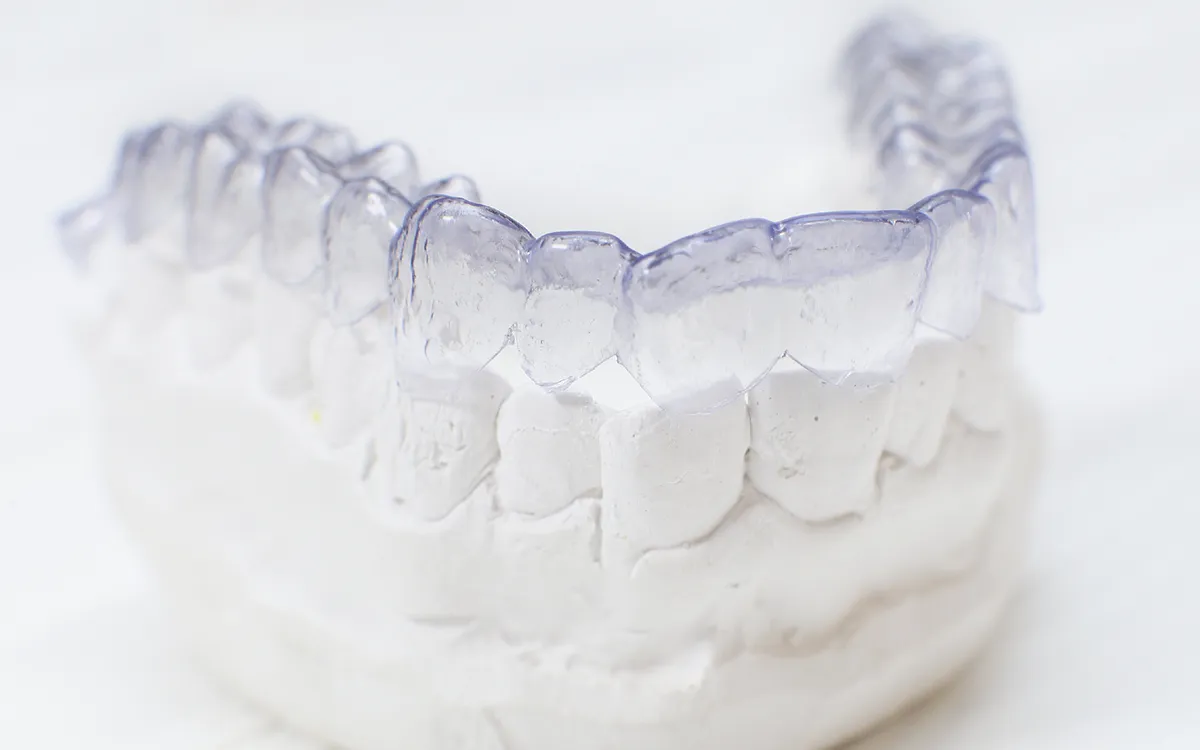
- Custom aligner fabrication: The digital plan is sent to a dental lab, where your aligners are precisely crafted from high-quality, medical-grade plastic to ensure a comfortable and effective fit.
- Series of aligners: You will receive multiple sets of aligners, each designed to be worn in a specific sequence to gradually move your teeth into alignment.
Receiving & wearing your aligners
Once your aligners are ready, you will receive your first set along with detailed instructions on how to wear and care for them. Following these guidelines is essential for achieving the best results.
- Wear time: Aligners must be worn for 20-22 hours per day, only removing them for eating, drinking (anything other than water), brushing, and flossing.
- Progression: Each set of aligners is worn for 1 to 2 weeks before switching to the next in the series, ensuring gradual and controlled tooth movement.
- Mild discomfort: Expect some pressure or tightness when transitioning to a new aligner. This discomfort typically lasts a few days and indicates that your teeth are shifting as planned.
- Proper storage: Always carry a protective case to store your aligners when they are not in your mouth. This prevents damage, loss, or contamination.
- Speaking adjustments: You may notice a slight lisp when first wearing your aligners, but this usually disappears as you adjust to speaking with them.
Regular checkups & progress monitoring
Routine checkups with your dentist or orthodontist are essential to ensure your treatment is progressing as planned and to make any necessary adjustments.
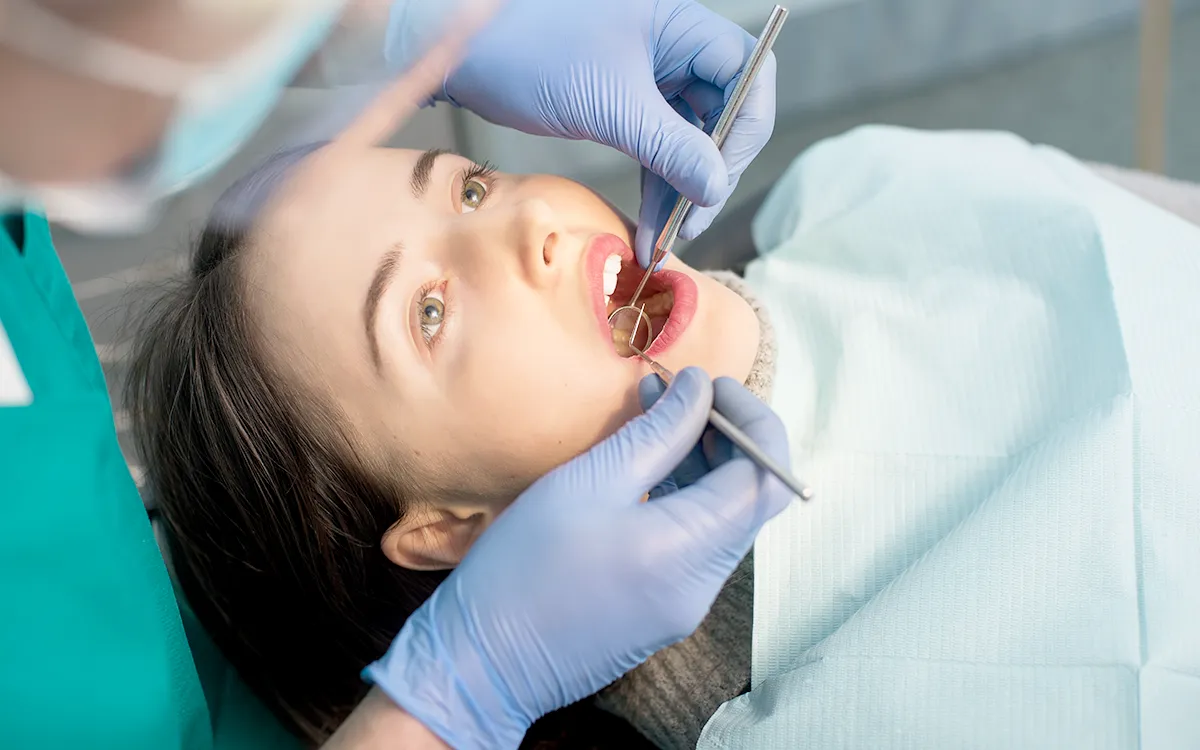
- Appointment frequency: Checkups are typically scheduled every 6 to 8 weeks, allowing your dentist to monitor your progress and address any concerns.
- Treatment adjustments: If needed, your dentist may refine your treatment plan, which could involve providing additional aligners or making modifications to achieve optimal results.
- Ensuring proper fit: During these visits, your dentist will assess whether your aligners are fitting correctly and moving your teeth as expected.
- Compliance check: Your provider may also review your wear time and hygiene habits to ensure you’re following instructions for the best outcome.
Regular monitoring helps maintain smooth progress, prevent delays, and ensure your aligners deliver the desired results efficiently and effectively.
Oral hygiene & aligner care
Maintaining excellent oral hygiene throughout your clear aligner treatment is crucial to prevent cavities, gum disease, and staining.
- Brush & floss after every meal: Always brush and floss before reinserting your aligners to prevent trapping food particles and bacteria.
- Clean your aligners daily: Rinse them with lukewarm water and use a soft toothbrush with clear, unscented soap or an approved aligner cleaner.
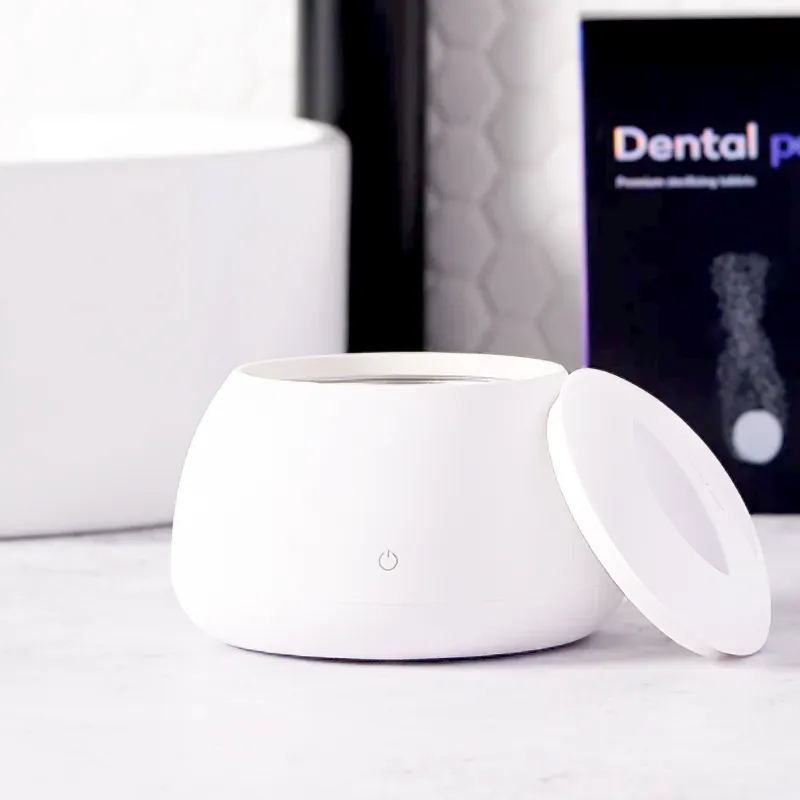
- Use an ultrasonic cleaner: Devices like the Zima Dental Pod can deep-clean your aligners using high-frequency vibrations, helping to remove buildup more effectively than brushing alone.
- Avoid hot beverages: Drinking hot liquids while wearing aligners can warp the plastic, affecting their fit and effectiveness.
- Never use toothpaste on aligners: Toothpaste is too abrasive and can scratch the surface, making your aligners cloudy and more noticeable.
- Store aligners properly: Always keep them in their protective case when not in use to prevent damage, contamination, or loss.
Consistent care keeps your aligners fresh—and your smile on track.
Finishing treatment & retainers
Once your teeth have moved into their ideal positions, your treatment is complete. However, to maintain your new smile, you must wear retainers.
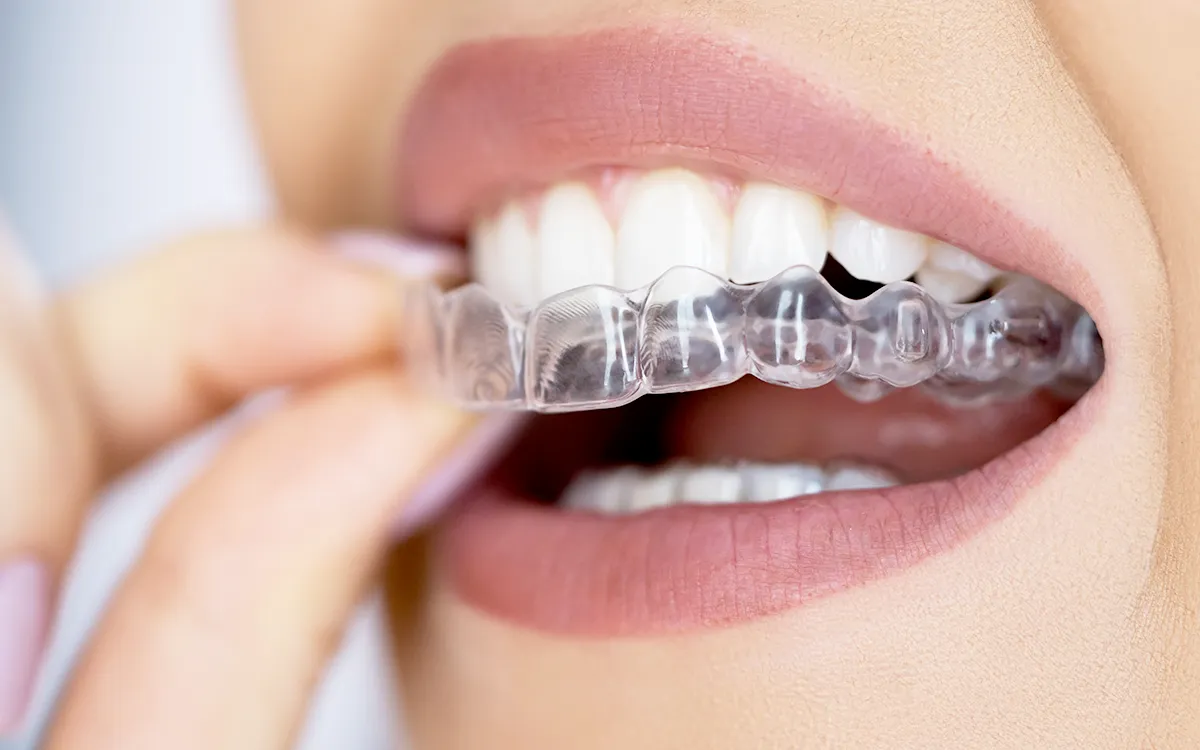
- Your dentist will provide custom retainers, typically made of clear plastic similar to your aligners.
- Retainers must be worn full-time initially, then transitioned to nighttime wear.
- The duration for wearing retainers varies, but many patients wear them for life to prevent relapse.
Welcome to life with a stunning smile
After months of dedication, your beautiful, straight smile is now a reality. To keep it looking its best, ensure to brush twice daily, floss regularly, and attend your routine dental checkups. Don’t forget to replace your retainers as your dentist advises—this will help keep them in good condition and ensure your smile stays as stunning as the day you finished treatment. With a little care, you’ll enjoy the benefits of your new smile for many more years.
Straighter smiles for unshakeable confidence
A confident smile has the power to open doors and enhance your self-esteem in ways you may not expect. Clear aligners offer a discreet and effective path to achieving that smile. While the treatment requires commitment, the aesthetic, functional, health, and emotional benefits are truly invaluable.
Ready to feel the confidence that comes with a straighter smile? Book a cosmetic consultation with your dental professional to explore how clear aligners can help you achieve the smile you’ve always wanted—on your terms.