

That nagging toothache? The chipped edge you can’t ignore? These are more than cosmetic issues—they are red flags for your oral health. Fortunately, dental crowns offer a powerful, complete defence. These custom-crafted restorations not only strengthen and protect compromised teeth, but also restore their natural shape and brilliance. Beyond just a cover-up, these restorations bring back full function and a natural, confident smile. For those struggling with cracked, broken, or severely decayed teeth, crowns mean immediate relief and lasting peace of mind.
Seamless strength for damaged teeth
Dental crowns are precision-crafted, full-coverage restorations that restore strength and beauty to weakened teeth. At Calamvale Cosmetic Dental, we use high-precision digital dentistry to ensure a flawless fit, reinforcing the tooth and evenly distributing bite forces. Designed for durability and accuracy, crowns offer lasting protection with natural function and aesthetics.
What’s in a dental crown?
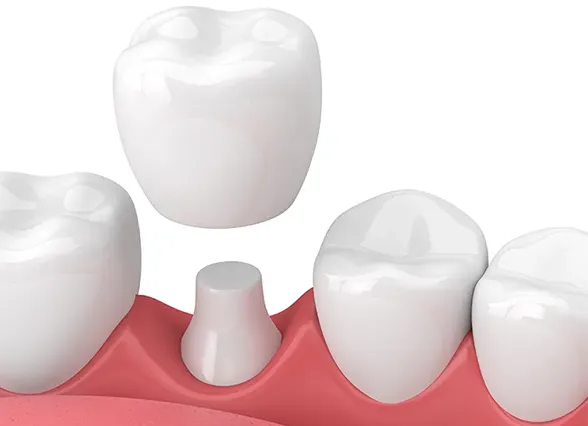
When a tooth is decayed or damaged, a dental crown provides a protective cap that restores its shape, size, strength, and overall appearance. These tooth crowns are made from a range of materials, including:
Composite resin: A more budget-friendly option, composite resin crowns offer good aesthetics but are less durable than other materials. They may require more frequent replacement, making them a suitable choice for temporary or less demanding situations.
Porcelain or ceramic: The premier choice for front teeth, these crowns excel in mimicking natural enamel. Their ability to reflect light makes them virtually indistinguishable from your surrounding teeth, ensuring a seamless, natural smile.
Zirconia: Combining exceptional strength with a natural appearance, zirconia is a high-performance ceramic. It’s tough enough to withstand the forces of chewing, making it an excellent choice for both front and back teeth where durability and aesthetics are paramount.
Metal (gold or alloy: While aesthetic preferences have shifted away from metal crowns, they remain a testament to durability. Their robust strength and gentle interaction with opposing teeth have historically made them a reliable choice for molars, where function is prioritised.
Porcelain-fused-to-metal (PFM): These crowns consist of a metal base for durability and a porcelain outer layer for aesthetics. A potential consideration is the visibility of a thin metal line at the gumline. PFMs are generally considered a reliable restorative option.
How dental crowns transform compromised teeth
Dental crowns don’t cover problems—they resolve them! Completely reinventing your weakened teeth, these marvelous restorations offer protection and renewed functionality. Here’s how specific dental challenges can be addressed with this versatile option:
Reinforcing vulnerable teeth
When decay, fractures, or oversized fillings compromise your tooth’s structural integrity, a crown creates a defensive shield that distributes biting forces evenly, preventing catastrophic breaks and preserving your natural tooth beneath.
Rebuilding severely damaged teeth
For teeth worn down by grinding habits, traumatic injury, or acid erosion, crowns restore original contours and proper bite alignment—transforming painful, limited chewing into comfortable, efficient function.
Protecting root canal-treated teeth
After root canal therapy removes the tooth’s living tissue, a crown becomes essential protection for the now-hollow structure. This final step prevents fractures in the brittle tooth, safeguarding your investment in treatment.
Transforming cosmetic imperfections
Beyond functional repair, crowns offer dramatic aesthetic improvements—instantly correcting stubborn discolouration, misshapen teeth, or size inconsistencies that bonding or whitening cannot address.
Supporting complex dental restorations
Crowns serve as the foundation for advanced treatments like dental bridges, securely anchoring replacement teeth to restore your complete smile. When placed atop dental implants, they create replacement teeth that look, feel, and function like natural teeth.

Long-term defence for natural teeth
Beyond their restorative capabilities, dental crowns create a sophisticated defence mechanism that protects your natural tooth from further deterioration. Here’s how these protective caps safeguard your long-term oral health:
Creating an impenetrable shield against fractures
When a crown encapsulates your vulnerable tooth, it completely redistributes biting forces across its entire surface. This engineering marvel prevents existing cracks from progressing and shields weakened areas from the daily stresses of chewing, speaking, and temperature fluctuations.
Eliminating sensitivity at its source
For teeth with exposed dentin that send sharp, uncomfortable signals when confronted with hot, cold, or sweet stimuli, crowns provide immediate relief. By completely covering compromised areas, crowns block the pathway between triggering substances and sensitive nerve endings—restoring comfort with every bite.
Establishing a bacterial barrier
Dental crowns create a precision seal around your tooth’s vulnerable areas, effectively blocking bacterial invasion through microscopic cracks or cavities. This protective perimeter significantly reduces infection risk, protecting the tooth and surrounding tissues from potential abscess formation.
Preserving natural tooth structure for life
While extraction might seem like a simple solution for a severely damaged tooth, the consequences ripple through your entire mouth. A crown allows you to maintain your natural tooth root, preserving jaw bone density and preventing the shifting of surrounding teeth that inevitably follows tooth loss.
What to expect during the dental crown procedure
1. Initial assessment & planning
Your journey begins with a comprehensive evaluation where your dentist examines the compromised tooth using high-definition digital X-rays. This detailed assessment reveals the full extent of damage and helps determine the ideal crown material based on the tooth’s location, your bite forces, aesthetic needs, and budget considerations.
3. Creating your digital blueprint
Using state-of-the-art intraoral scanning technology, your dentist captures incredibly detailed images of your prepared tooth and surrounding structures. These digital impressions are instantly transmitted to skilled laboratory technicians who will craft your permanent crown to exact specifications.
5. Perfect placement
When your custom crown arrives, your dentist meticulously verifies its fit, colour match, and bite alignment before permanently bonding it to your tooth. This precision placement ensures comfortable function and natural aesthetics that seamlessly blend with your smile.
2. Precision preparation
With a customised treatment plan in place, your dentist carefully reshapes the damaged tooth, removing precisely what’s necessary to create the perfect foundation for your crown. This critical step ensures your restoration sits naturally within your bite while protecting the remaining healthy tooth structure.
4. Temporary protection
While master ceramists create your permanent restoration, a temporary crown shields your prepared tooth, maintaining spacing and allowing normal function. Though not as durable as your final crown, this interim solution protects sensitive areas and preserves your appearance during the fabrication period.
6. Ongoing protection
Your new crown requires the same diligent care as natural teeth. Regular dental checkups allow your dentist to monitor the crown’s condition and the health of the underlying tooth, ensuring your restoration continues protecting and enhancing your smile for years to come.
Caring for your dental crown
To maintain the durability and function of your dental crown:
- Practice excellent oral hygiene with regular brushing and flossing, focusing on the gumline and crown margins.
- Avoid chewing on hard foods, ice, or non-food objects to prevent cracks or fractures.
- Be cautious with sticky foods that could loosen or dislodge your crown.
- Wear a nightguard if you grind or clench your teeth to protect against excessive pressure.
- Visit your dentist regularly for checkups and professional cleanings to ensure the crown and surrounding teeth stay healthy.
- If you notice discomfort, sensitivity, or a change in bite alignment, contact your dentist promptly for evaluation and adjustment.

Rebuilding strength, restoring smiles
Imagine your smile, fully restored and protected. That’s the power of dental crowns. They’re not just a quick fix; they provide lasting support for your oral health. Whether your tooth is damaged by decay, grinding, or a root canal, a crown can rebuild its strength and beauty.
Don’t let a damaged tooth hold you back from enjoying life. Take your first step towards a stronger, healthier smile—visit your dentist and see how a custom crown can protect and restore your teeth for years to come.