

Smile into the future with dentures
Losing teeth is unfortunately common—often the result of declining oral health, or injury and trauma. There are cases where decayed teeth are removed because they can no longer be saved, and situations where a tooth gets knocked out by accident. Whatever the cause, the impact can be deeply personal, affecting how we eat, speak, and interact with others.
Australia may be known as a land of smiles, but national data on tooth loss tells a less cheerful story. On average, Aussie adults are missing around six teeth—and by their mid-sixties, that number jumps to 13 or more.
The good news? Tooth loss doesn’t have to steal your smile. With today’s dentures, made from modern materials which look right at home in your smile, you can bring back the look of natural teeth. That means comfort, confidence and freedom to eat, speak and laugh without hesitation.
What are dentures?
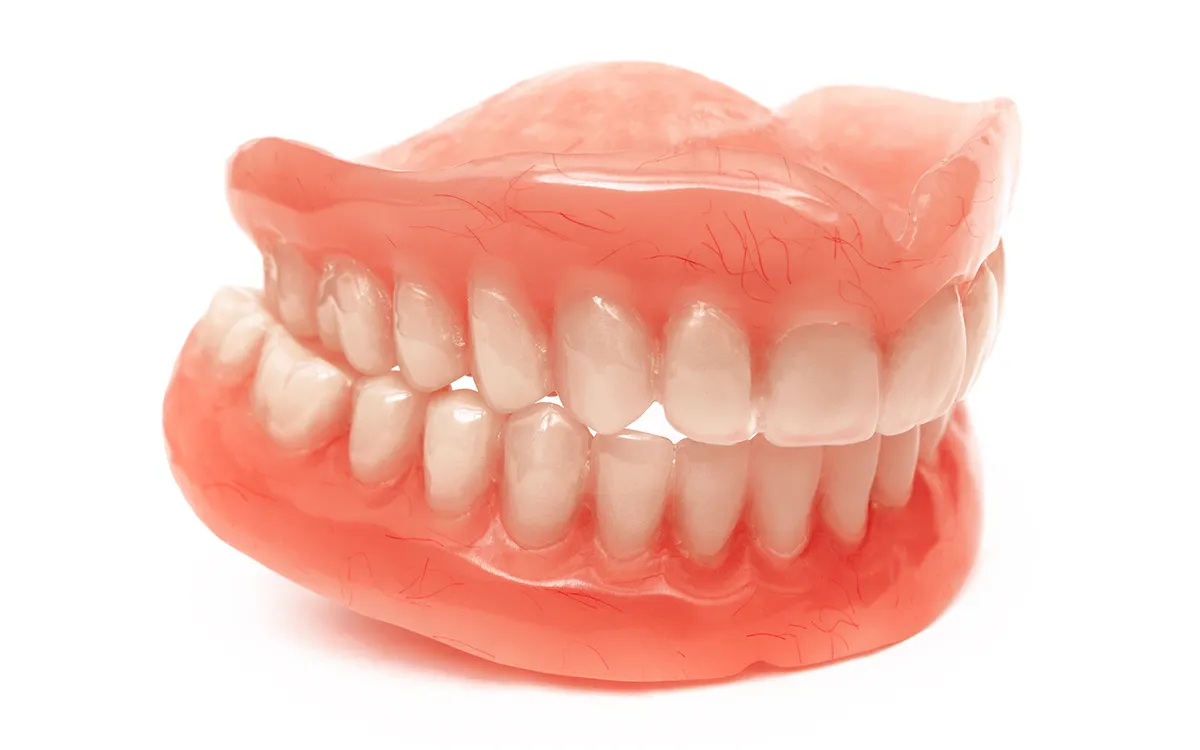
Dentures are removable dental prostheses used to replace missing teeth and the surrounding gum tissue. They are custom-made to fit each individual’s mouth and are designed to closely resemble natural teeth in both appearance and function.
These dental prostheses help restore essential functions such as chewing, speaking, and maintaining facial structure. They also play an important role in preventing remaining teeth from shifting and in supporting oral health after tooth loss.
While dentures are not a permanent solution, they offer a practical and effective way to manage the functional and aesthetic consequences of missing teeth.
Types of dentures
Every mouth is unique, and so are dentures. Here’s a breakdown of the most common types:
Used when all teeth are missing in the upper or lower jaw. These dentures rest directly on the gums and are custom-moulded for a snug, comfortable fit.
- Traditional dentures: Made after the gums have fully healed following tooth extraction. Healing usually takes several weeks. This approach ensures a more accurate and stable fit.
- Immediate dentures: Inserted immediately after extractions, so you’re never without teeth. While convenient, they may require relining or replacement after the gums shrink during healing.
Ideal when some natural teeth remain. These dentures fill the gaps left by missing teeth and help prevent nearby teeth from shifting out of place.
- Removable partial dentures: Consist of replacement teeth attached to a gum-colored base, often with metal clasps or precision attachments that anchor onto natural teeth. Easy to remove for cleaning.
- Fixed partial dentures (dental bridges): Permanently cemented in place using adjacent teeth or implants for support. Not removable by the patient.
- Flexible partial dentures: Made from lightweight, soft thermoplastic materials. These do not contain metal and blend more naturally with your gums, making them more aesthetic and comfortable, especially for front teeth or patients sensitive to metal.
These are secured onto dental implants that are surgically placed in your jawbone. They offer exceptional stability, prevent bone loss, and eliminate the slipping associated with traditional dentures.
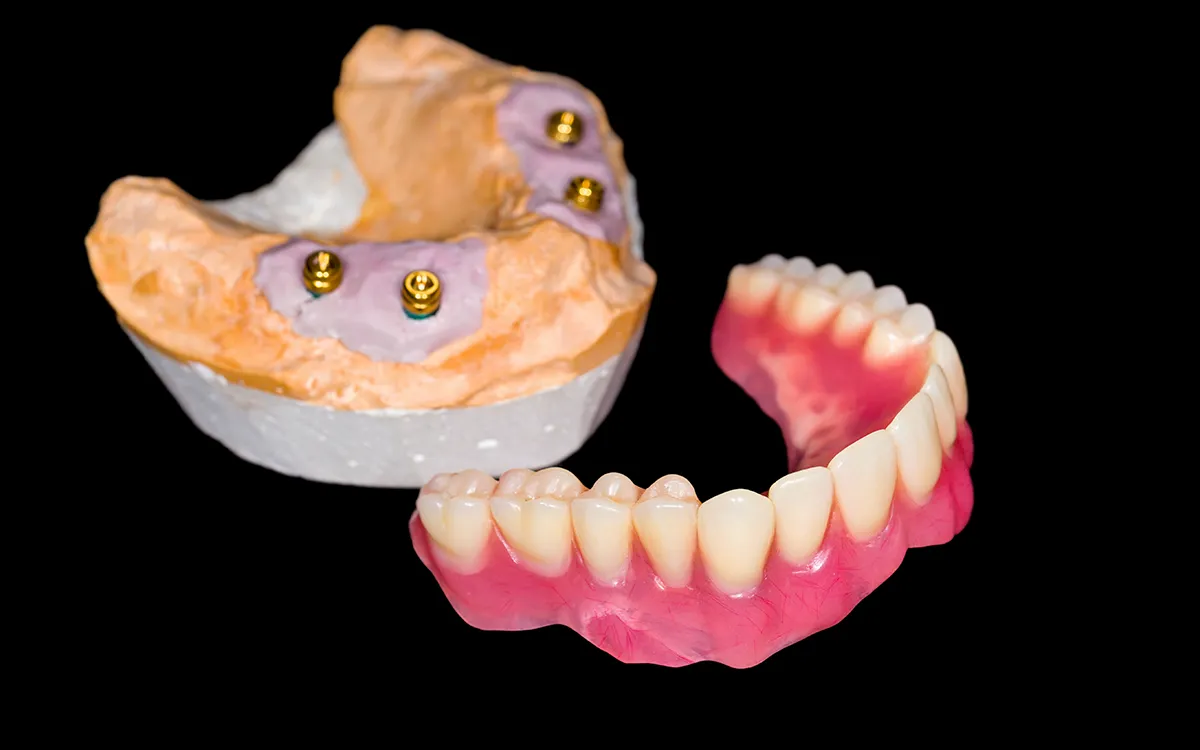
- Can be removable (snap-on style) or fixed (only removable by a dentist).
- Ideal for patients who want a more permanent, secure solution.
If you’re tired of loose-fitting dentures or frequent relining, ask your dentist about implant-supported options—they can make a world of difference in comfort and confidence.
Why you can’t ignore missing teeth
It’s not just about your appearance. Leaving gaps in your smile can lead to serious oral health problems:
- Jawbone shrinkage: Missing teeth lead to bone loss over time, altering your facial structure.
- Teeth shifting: Neighbouring teeth may drift, causing bite issues and misalignment.
- Gum disease & decay: Food particles can get trapped in gaps, increasing your risk of infection.
- Speech difficulties: Missing teeth can affect pronunciation and confidence when speaking.
- Poor nutrition: Difficulty chewing often leads to a limited diet and digestive problems.
- Premature aging: Without teeth to support the facial muscles, your face can look sunken or aged.
In short, replacing missing teeth isn’t just cosmetic—it’s essential to maintaining your health and quality of life.
How dentures can help
Dentures aren’t just about restoring your smile—they’re about restoring your quality of life. Modern dentures are carefully crafted to look natural, feel comfortable, and function like real teeth. Here’s how they can truly make a difference:
A complete, natural-looking smile can help you feel like yourself again, more at ease in social situations and proud to show your teeth.
Missing teeth can make eating difficult and limit your diet. With dentures, you can enjoy a wider variety of foods and support better nutrition and digestion.

Dentures provide essential support for your cheeks and lips, helping to maintain the natural shape of your face and prevent the sunken appearance often caused by tooth loss.
Teeth play a vital role in articulation. Replacing missing teeth can significantly improve your ability to speak clearly and confidently.
By filling the gaps left by missing teeth, dentures prevent surrounding teeth from shifting and help balance bite forces, reducing strain and long-term damage.
Today’s dentures are designed for a precise fit using advanced materials that are lightweight, durable, and shaped to match the natural contours of your mouth.
Are dentures right for you?
Dentures are a versatile and effective solution for a wide range of people. Whether you’re looking for a long-term option or a temporary fix while preparing for future treatments, dentures can be tailored to suit your needs.
Dentures may be right for you if:
Dentures can restore both function and aesthetics, improving your ability to eat, speak, and smile with confidence.
Dentures offer a practical and non-invasive way to regain a complete smile and maintain proper facial support.
Dentures provide an immediate solution to fill the gaps after teeth are removed.

For many patients, dentures are a cost-effective alternative with excellent functional and cosmetic benefits.
Some medical conditions, bone loss, or medications may make implant surgery risky; dentures provide a non-surgical alternative.
Immediate or transitional dentures can be worn while preparing for more permanent restorations, such as implants placed after bone grafting or extraction healing.
Dentures help restore facial structure and improve speech clarity.
Your denture appointments explained
Getting dentures is a process, but one that’s well worth it. Here’s a step-by-step look:
Your dentist will examine your teeth, gums, and bone health, then discuss your goals and denture options.
If you have remaining teeth that are damaged or decayed, they may need to be removed to make space for your new dentures.
Precise moulds of your mouth are taken to ensure a custom fit. Your bite is also measured to ensure proper alignment.
A wax model may be created to test how the dentures look and feel. This allows for adjustments before finalising the set.
Once completed, the final dentures are fitted. Your dentist will check comfort, function, and appearance, and make any necessary tweaks.
You may need some time to adapt. Your dentist will guide you through this period and make refinements as needed.
Caring for your dentures
To get the most out of your dentures, proper care is essential:
Clean daily: Use a soft brush and denture-specific cleaner to remove plaque and stains.
Soak overnight: Store dentures in water or a denture solution to keep them moist and retain shape.
Rinse after meals: Remove and rinse to prevent buildup and odours.
Handle with care: Dentures can crack if dropped—always clean them over a soft surface or towel.
Maintain oral hygiene: Clean your gums, tongue, and any remaining teeth daily.
Schedule regular dental visits: Your dentist will monitor your oral health and check the fit of your dentures.

Denture considerations
Before deciding on dentures, keep these in mind:
- Dentures are not permanent and may need replacement every 5–7 years.
- Your jawbone and gums may change shape over time—periodic relining may be needed.
- There may be an adjustment period for eating and speaking.
- Some patients may prefer implant-supported options for added stability.
- A well-fitting denture can dramatically improve quality of life—but only if properly maintained.
Your smile deserves a fresh start
Restore, renew and rediscover life with dentures. Dentures offer more than a replacement for missing teeth—they give you a renewed sense of comfort, health, and confidence. With the right fit and proper care, they can help you enjoy life’s moments without holding back.
Dentures give you back your smile, but they need a little love in return. Clean them daily, see your dentist regularly, and speak up if anything feels off.
Your second chance at a full smile is waiting for you. Whether you’re trying dentures for the first time or upgrading your set, your dentist can help find the solution that feels made for you. Talk to your dentist today and take the next step toward comfort and confidence that lasts.