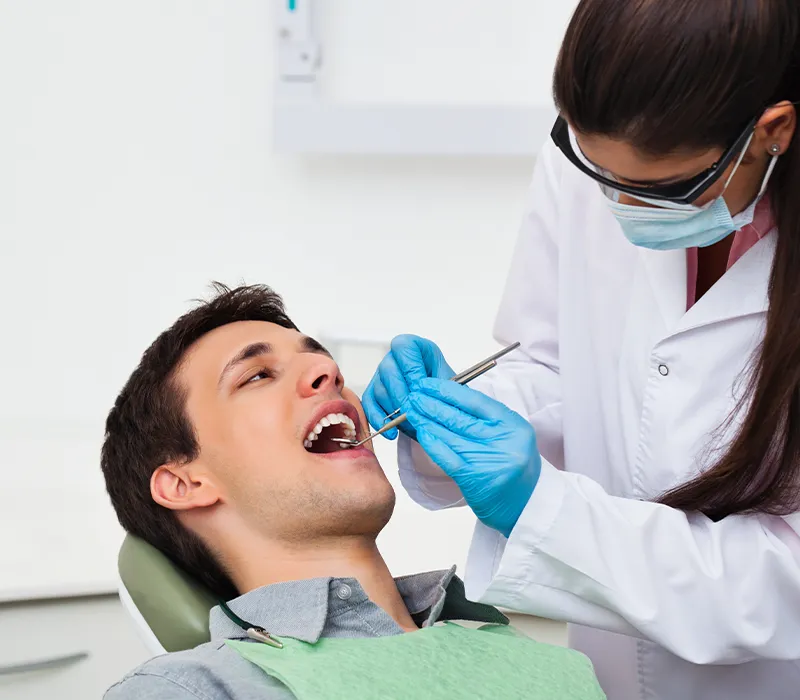

Nervous before a dental appointment? Maybe you dread the drill? We’ve been there too. Anxiety about the discomfort of traditional dental restorations can put people off getting tooth-saving care, but thankfully we now live in the modern era. Modern dentistry uses game-changing techniques which are minimally invasive, so you save your natural teeth with less removal of natural structures. Minimally invasive dentistry (MID) puts your comfort and oral health first for today and the longest term.
Minimally invasive, maximally effective
Minimally Invasive Dentistry (MID) is a philosophy aimed at preserving as much healthy tooth structure as possible during dental procedures. The focus is on removing only decayed or damaged parts of the tooth while leaving the healthy enamel intact.
Key practices under MID include:
Early intervention and prevention: Regular check-ups, cleanings, and digital X-rays help dentists detect cavities early, often before significant decay occurs. This allows for minimal intervention, such as small fillings, preventing the need for more extensive work later.
Air abrasion: This technique uses a gentle stream of pressurised air combined with fine particles to precisely remove decay, minimising the impact on the surrounding healthy tooth structure.
Laser dentistry: Lasers provide a highly precise method for removing decay or reshaping gum tissue, reducing the need for traditional drills and scalpels. This results in a more comfortable experience and faster healing.
Resin infiltration: For very early cavities, a low-viscosity resin can be infiltrated into the tooth structure, halting decay progression and potentially reversing some damage. This technique can eliminate the need for fillings.
Advanced restorations: Restorative materials are essential for the success and longevity of minimally invasive restorations. Significant advancements in composite resins and ceramics have resulted in materials that are strong and closely mimic natural teeth. These modern materials allow dentists to create thinner, more conservative restorations that blend seamlessly with the patient’s smile, enhancing durability and aesthetics.
Why preserve your natural tooth structure?
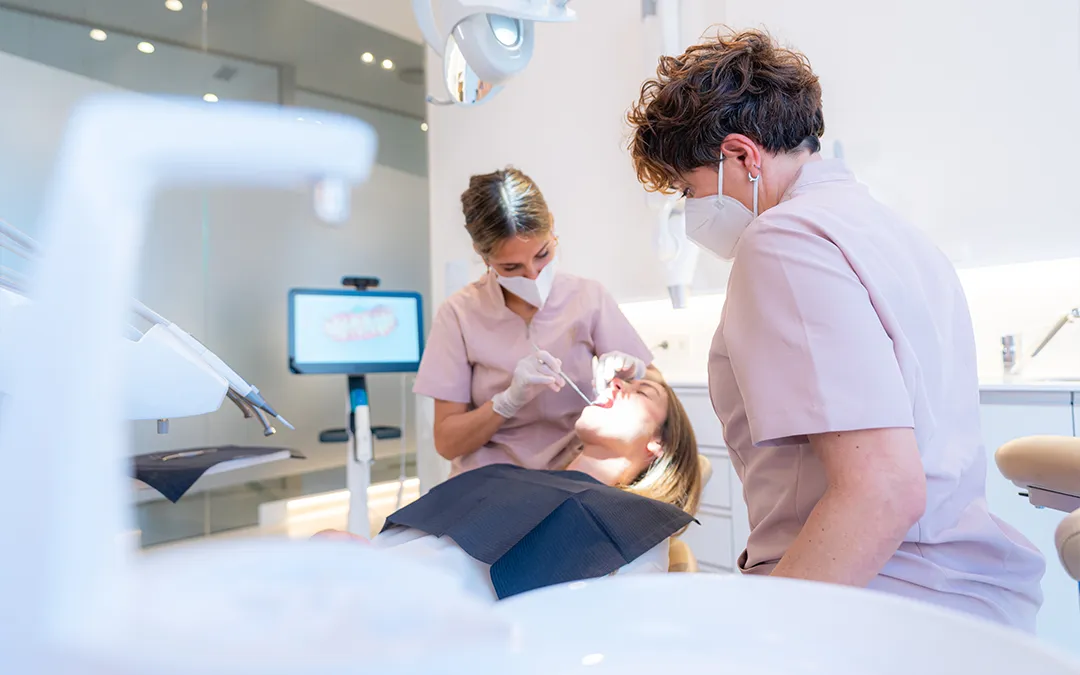
The benefits of minimally invasive dentistry extend far beyond simply avoiding the discomfort of drilling. Preserving your natural tooth structure is the cornerstone of maintaining long-term oral health for several reasons:
Optimal strength and biocompatibility: Natural tooth structure is the strongest and most biocompatible material in your mouth. It can withstand the tremendous forces of chewing and maintains a natural harmony with your surrounding tissues. Minimally invasive techniques ensure your teeth retain their inherent strength and function, allowing you to bite and chew comfortably for years to come.
Preserving the pulp: The pulp, located at the centre of your tooth, houses nerves and blood vessels. Extensive drilling can irritate or damage the pulp, potentially leading to sensitivity and even root canal treatment. Minimally invasive procedures minimise the risk of pulp exposure, keeping your teeth healthy and pain-free.
Reduced sensitivity: Dentin, the layer beneath the enamel, is naturally more sensitive than enamel. Traditional drilling can expose dentin, leading to post-operative sensitivity to hot, cold, or sweet foods and beverages. MID techniques help prevent dentin exposure, minimising post-treatment discomfort.
Better long-term prognosis: Teeth with more intact structure are better able to withstand the forces of chewing and grinding. This translates to a longer lifespan for your restored teeth. Additionally, minimally invasive procedures often utilise materials that bond better to existing tooth structures, creating a stronger and more durable restoration that resists future fractures and complications.
Simplified future treatments: When more tooth structure is preserved, future dental procedures, if necessary, become less complex. Minimally invasive techniques can make retreatment, if needed down the line, a simpler and more predictable process.
Enhanced aesthetics: Natural teeth have a unique translucency and texture that even the best dental materials can struggle to perfectly replicate. Minimally invasive approaches often utilise tooth-coloured materials that blend seamlessly with your existing tooth structure, resulting in a more natural-looking and aesthetically pleasing smile.
Digital dentistry innovations
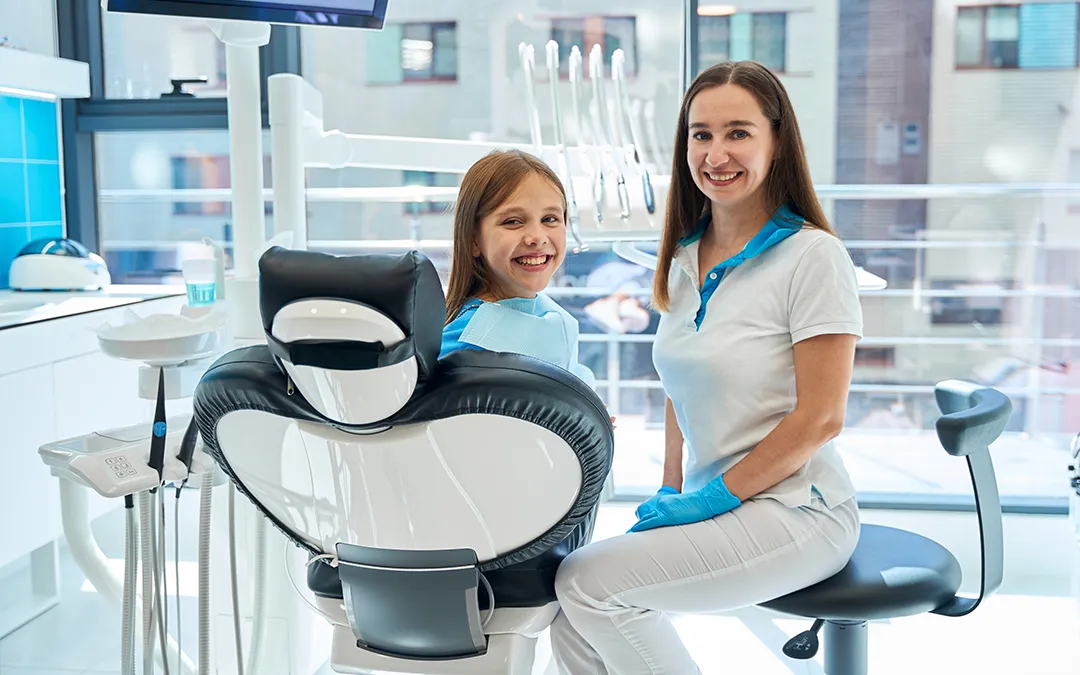
The field of dentistry is constantly evolving, with new technologies and materials emerging all the time. These advancements play a significant role in making minimally invasive techniques even more effective, leading to more precise treatments, improved outcomes, and ultimately, healthier smiles. Here’s how digital dentistry is revolutionising minimally invasive care:
Digital diagnostics:
Digital X-rays and 3D imaging provide dentists with unparalleled views of the teeth and jawbone. This allows for a much more precise diagnosis of the extent and location of decay, enabling them to remove only the necessary tooth structure. Gone are the days of relying on educated guesses and potentially removing healthy tooth tissue.
Intraoral scanners:
These handheld devices take digital impressions of your teeth, eliminating the need for messy and uncomfortable traditional methods with trays and putty. This translates to a more comfortable experience for you and provides dentists with a highly accurate digital model of your teeth for treatment planning.
Modelling software:
Using the digital impressions from intraoral scanners, dentists can create 3D models of your teeth on a computer screen. These models allow for precise planning of restorations, ensuring a perfect fit and minimising the need for adjustments during the procedure, which can require additional tooth removal.
3D printers:
These marvels of modern technology can be used to create custom-made dental restorations, such as veneers, crowns, inlays/onlays and implants, with incredible precision. This allows for a perfect fit and minimises the need for extensive chairside adjustments, again preserving precious tooth structure.
New hybrid materials:
Dental research is constantly pushing the boundaries of restorative materials. New resins with higher ceramic content are not only stronger and more durable than ever before, but they are also available in a wider range of shades, ensuring a perfectly natural smile.
Biomimetic dentistry:
This cutting-edge approach to restorative dentistry takes inspiration from nature. Biomimetic materials mimic the natural structure and function of teeth, promoting long-term tooth health and minimising the risk of future problems. These materials can actually stimulate the growth of new dentin, the hard layer beneath the enamel, further strengthening the tooth.
Saving smiles through prevention
Modern dentistry goes beyond merely fixing dental issues for the moment—it focuses on ensuring smile health is comprehensively optimised for the longest term. By prioritising minimally invasive measures and leveraging cutting-edge preventative and restorative techniques, your dentist can help you maintain teeth that stay strong and healthy for years to come.
Prevention is your best cure. Regular dental check-ups and solid oral care help catch problems early, keeping treatments simple and stress-free. Protect your smile the smart way with MID techniques. Achieve your healthiest smile with finely targeted treatments that ensure your comfort!